Leave No Trace
When heading out into nature, it’s important to abide by the rules of ‘Leave No Trace’ to preserve natural and protected places. Leave No Trace is a set of ethics promoting the conservation of outdoor areas. The concept started as a movement in response to the growing ecological damage caused by wilderness recreation.
Leave No Trace is about leaving minimal impact on the environment, whether it be a local park or a national reserve. ‘Leave No Trace’ applies to all outdoor activities; from hiking, trail running and rock climbing to mountain biking, birding and walking in natural areas. 7 Principles of Leave No Trace:
- Plan ahead & prepare
- Travel & camp on durable surfaces
- Dispose of waste properly
- Leave what you find
- Minimize campfire impact
- Respect wildlife
- Be considerate of others
Why is this important?Outdoor spaces are experiencing much higher use than in previous years, and sadly many of these areas are being negatively impacted by the surge in use and visitation. We all want to experience and appreciate the beauty of parks and reserves – but it’s important not to forget that these spaces are vital natural ecosystems and serve enormous environmental and historical value.
|
1. PLAN AHEAD
- Know the regulations for the area you’re visiting.
- Prepare for extreme weather, hazards and emergencies.
- Schedule your trip to avoid times of high use.
- Visit in small groups when possible.
|
2. TRAVEL & CAMP ON DURABLE SURFACES
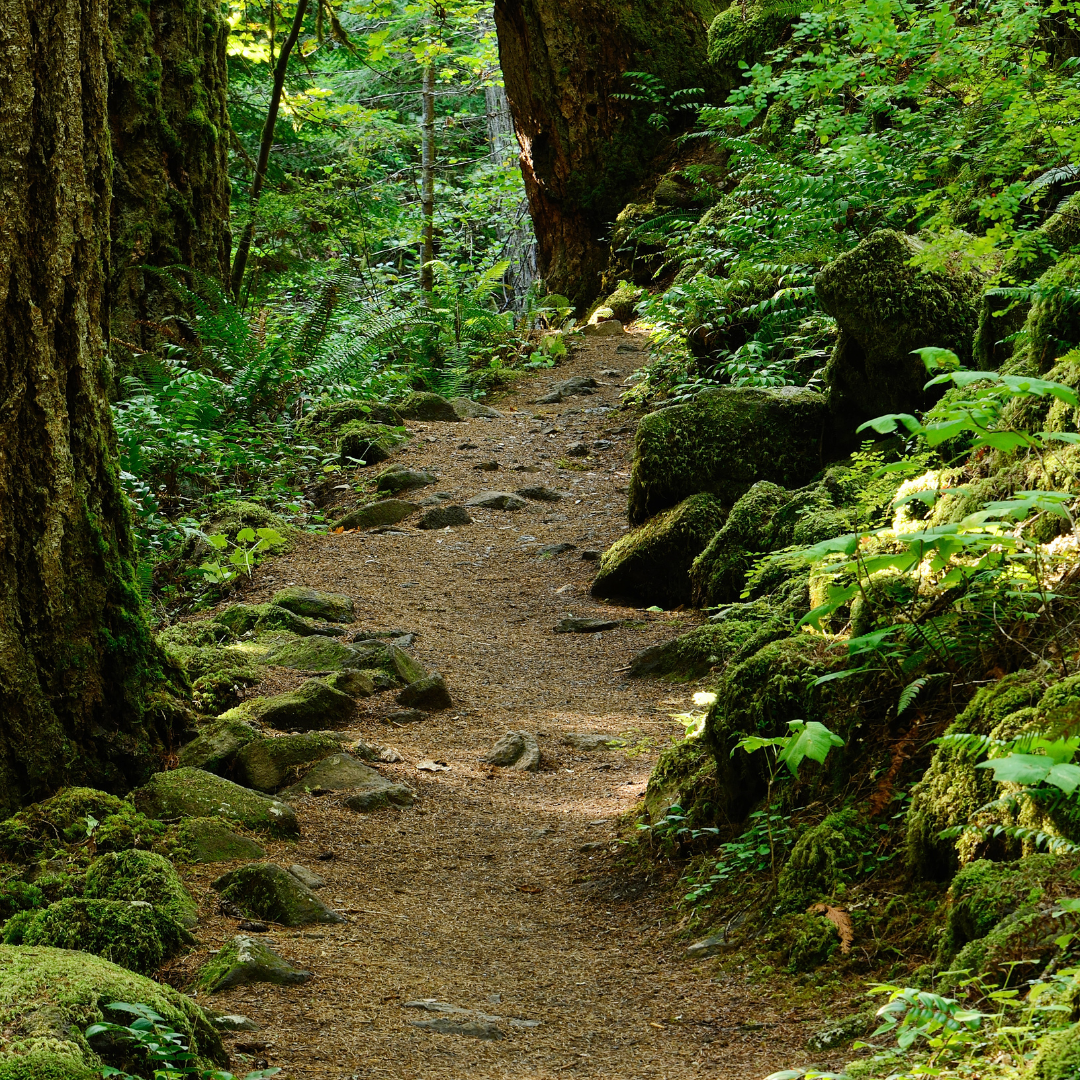
- Use existing trails and campsites; rock, gravel and dry grasses.
- Camp at least 60m from any bodies of water.
- Hike in single file
- Keep campsites small.
|
|
3. DISPOSE OF WASTE PROPERLY
- Pack it in, pack it out.
- Inspect your campsite or rest area and pack out all trash.
- Deposit solid human waste in catholes dug 20cm deep, at least 60m from water, camp and trails. Cover the cathole when finished.
- Pack out toilet paper and hygiene products.
- For washing, carry water 60m away from streams and use biodegradable soap.
|
4.LEAVE WHAT YOU FIND
- Preserve the past. Look but don’t touch cultural or historic structures and artefacts.
- Leave rocks, plants and other natural objects as you find them.
- Avoid introducing or transporting any non-native species.
- Do not build structures, furniture, or dig trenches.
|
|
5. MINIMIZE CAMP FIRE IMPACT
- Campfires cause lasting damage to the environment. Use a lightweight stove for cooking where possible.
- Where fires are permitted, use established fire rings, fire pans, or mound fires.
- Keep fires small. Only use sticks from the ground that can be broken by hand.
- Burn all wood and coals to ash, put out campfires completely, then scatter cool ashes.
|
6. RESPECT WILDLIFE
- Observe wildlife from a distance. Don’t follow or approach them.
- Never feed animals. Feeding wildlife damages their health and alters natural behaviours.
- Protect wildlife and your food by storing rations and trash securely.
- Control pets at all times, or leave them at home.
|
|
7. BE CONSIDERATE OF OTHERS
- Respect other visitors and protect the quality of their experience.
- Be courteous. Yield to other users on the trail.
- Take breaks and camp away from trails and other visitors.
- Let nature’s sounds prevail. Avoid loud voices, noises and music.
|
|
The principles of Leave No Trace prioritizes the preservation of outdoor spaces by encouraging visitors to minimize their impact as much as possible, leaving no trace of their presence on the environments they visit.